Collagen for the skin
Speaking of skin, type 1 collagen is particularly important. It's one of the main structural proteins in the skin and is crucial for its firmness and elasticity. At a young age, skin is firm, smooth, and elastic, but with age, it loses this firmness. It becomes less taut and looks worse. With age, the amount of collagen produced decreases, while the breakdown of collagen fibers increases. Less collagen in the skin translates into reduced firmness, elasticity, and a generally poorer appearance.
Collagen for joints
Which collagen is right for joints? When it comes to joint cartilage, type 2 collagen is most often mentioned. It is one of the main components of cartilage and is important for its structure and resistance to stretching and compression. Other types of collagen, such as type 3 and type 5, also occur in the body, but they perform different functions in tissues.
What influences collagen levels in the body?
Collagen levels in the body are influenced not only by age but also by lifestyle. A diet high in sugar, smoking, or prolonged exposure to the sun are factors that can adversely affect natural collagen. However, it's worth supporting the body with daily habits and a well-balanced diet. Collagen and the components needed for its production can be obtained through diet. Commonly used gelatin is hydrolyzed collagen, and the well-known vitamin C contributes to the proper production of this protein in the body. Therefore, it's worth including these types of ingredients in your diet. Of course, collagen itself can also be found in various dietary supplements.
Fish collagen
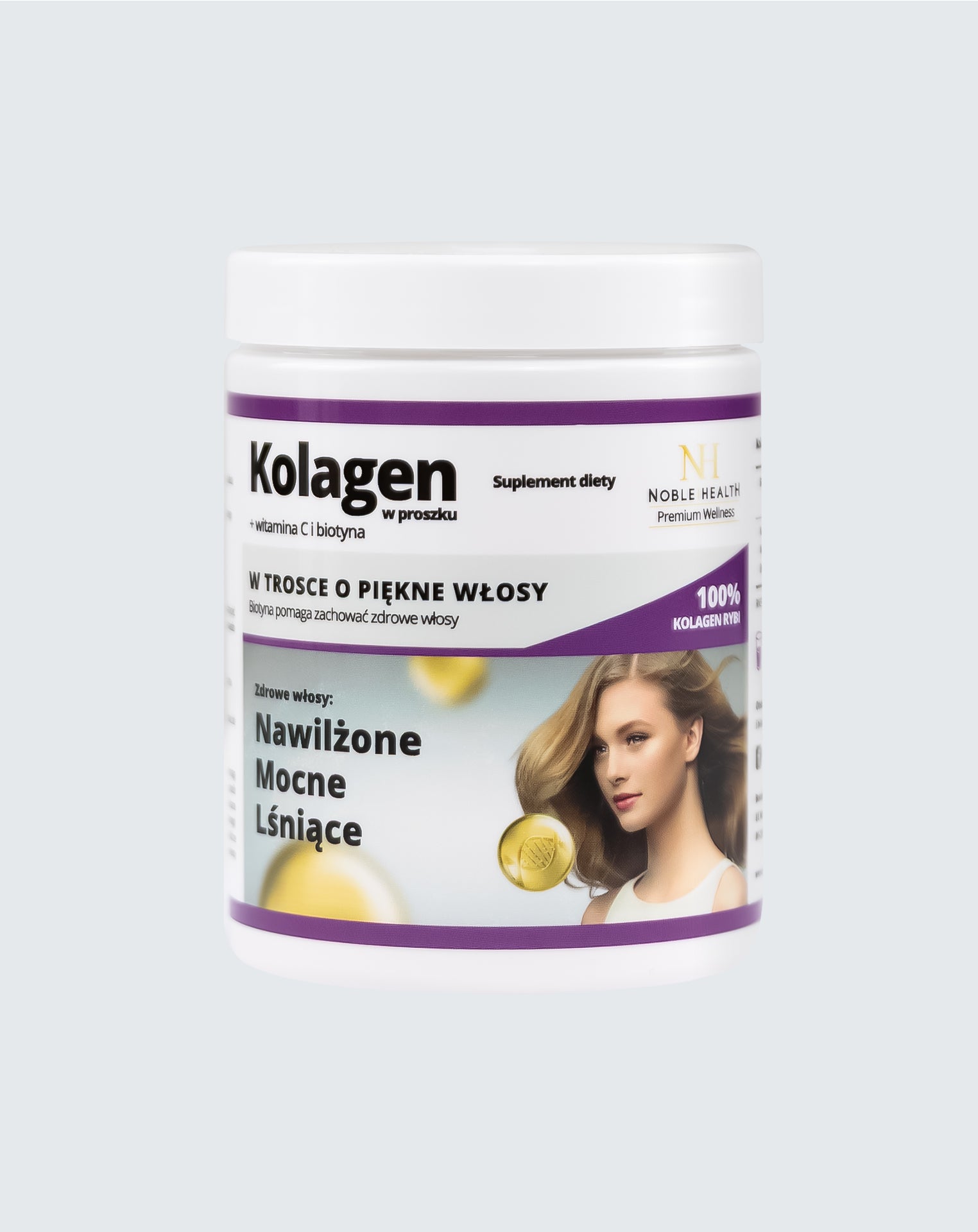
Collagen consumed by humans can come from various sources. High-quality fish collagen is very popular. Fish collagen is also referred to as marine collagen or fish collagen, and in powder form, it is often available as a drinkable fish collagen. Why has it gained such a large following? The structure of this collagen is similar to human collagen, and its particles are small. If someone dislikes the smell and taste of fish, don't worry; currently, natural fish collagen in supplements is often tasteless and odorless. Fish collagen is type 1 collagen. Many people will undoubtedly appreciate that this type of collagen is obtained from skin or scales, which have no other use and would otherwise be thrown away.
What is hydrolyzed collagen?
Hydrolyzed collagen, or collagen hydrolysate, is collagen that has undergone a hydrolysis process that breaks down the long protein chains into smaller peptides. This form is often used in dietary supplements, especially collagen drinkables, collagen powders, and collagen sachets.
Which collagen should you choose?
When choosing collagen, it's worth considering its origin, type, form of administration, and additional ingredients. People seeking collagen for the skin often choose type 1 fish collagen, while products targeting joints, bones, and cartilage often include type 2 collagen, glucosamine, and vitamin C. The form also matters – drinkable collagen, powdered collagen, and collagen tablets or capsules differ primarily in their ease of use.
Drinkable collagen, powder, tablets or liquid?
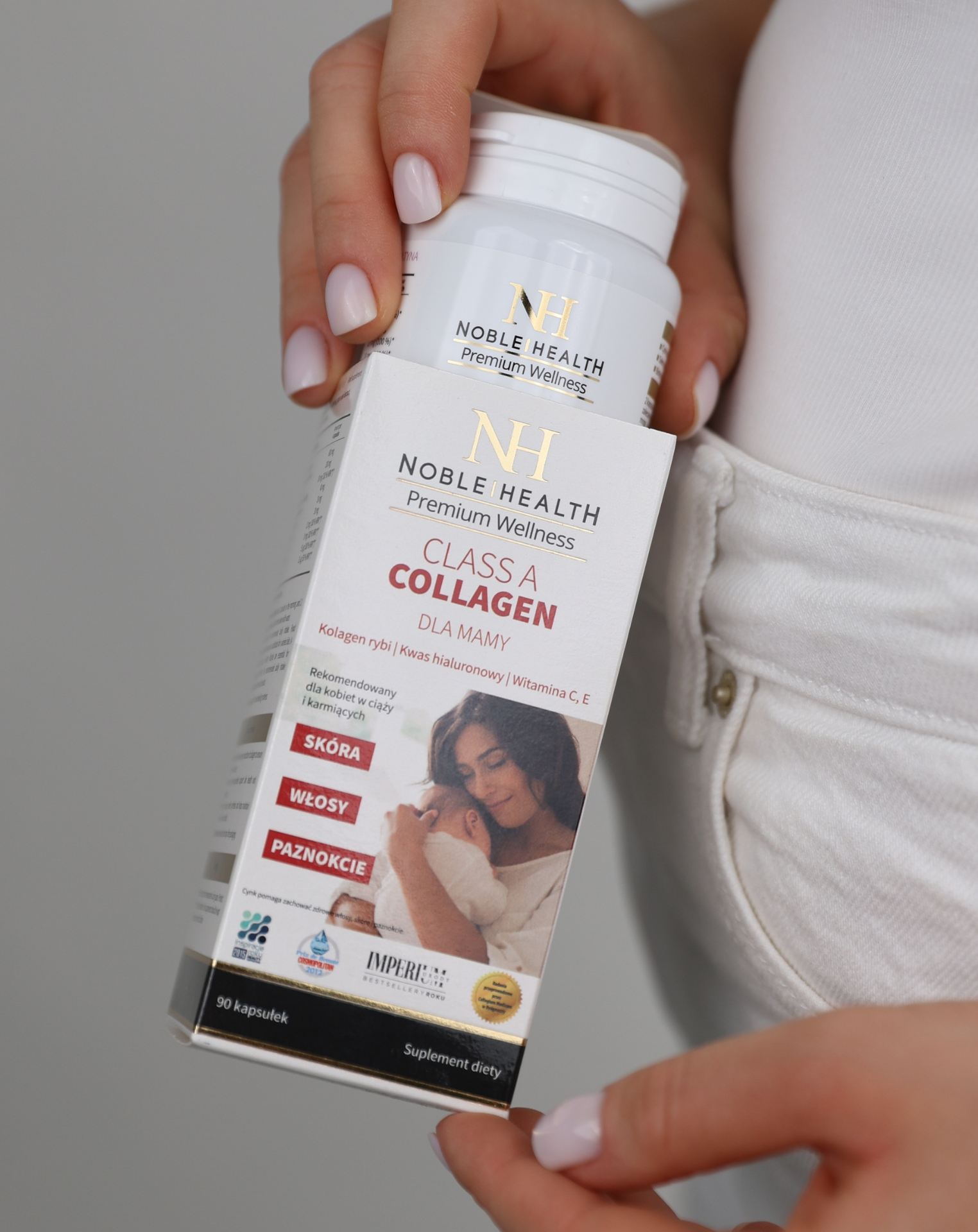
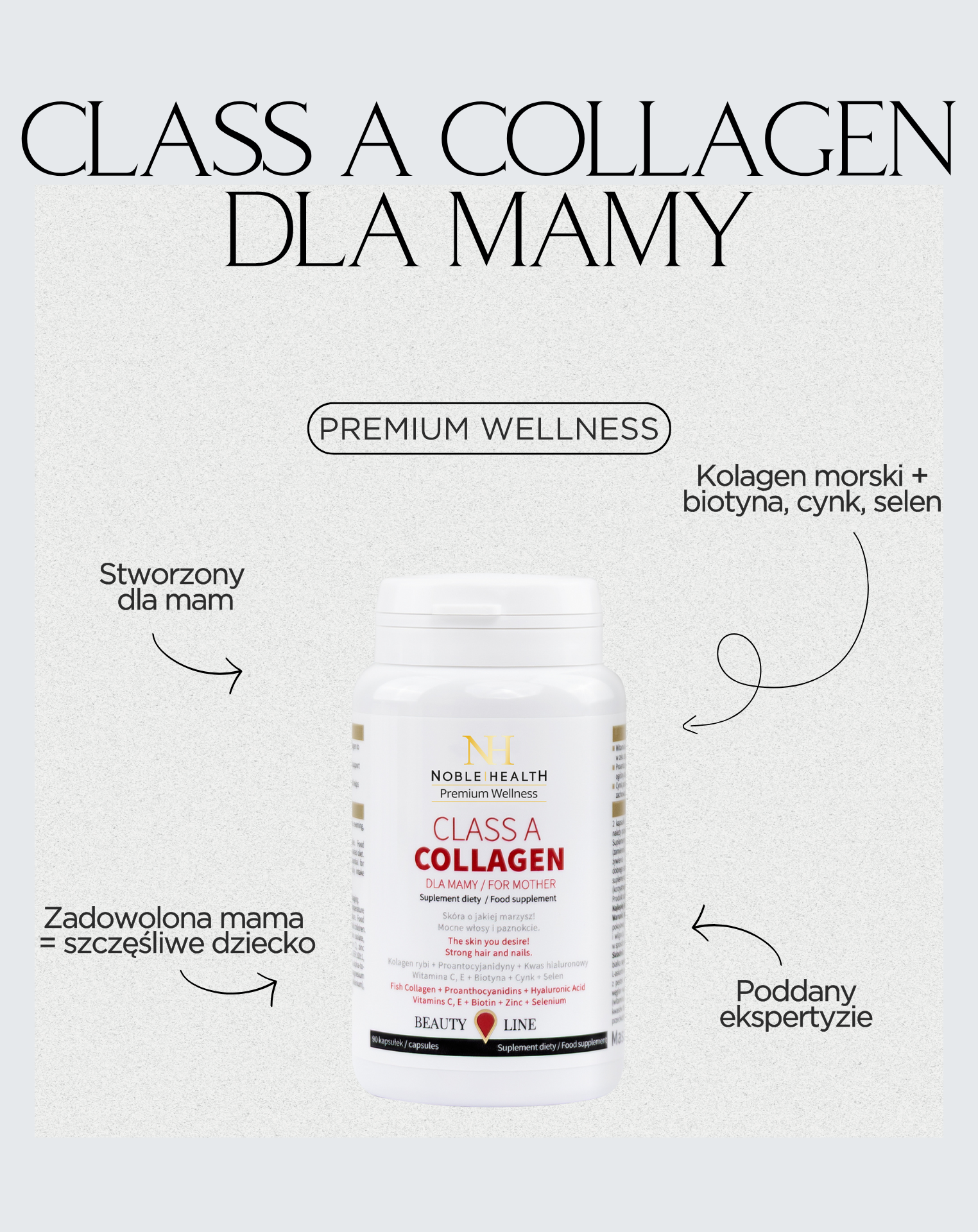
Collagen is available in various forms: drinkable collagen, powdered collagen, collagen tablets, capsules, sachets, as well as ready-to-drink shots or liquid collagen. The choice depends primarily on individual preference. Powdered collagen can be added to water, juice, or a smoothie, tablets and capsules are convenient for travel, and shots are ideal for those who want a ready-made serving without the hassle of preparing a drink.